
How to Keep a Digital Pilot Logbook in 2026
Published on · 8 min read
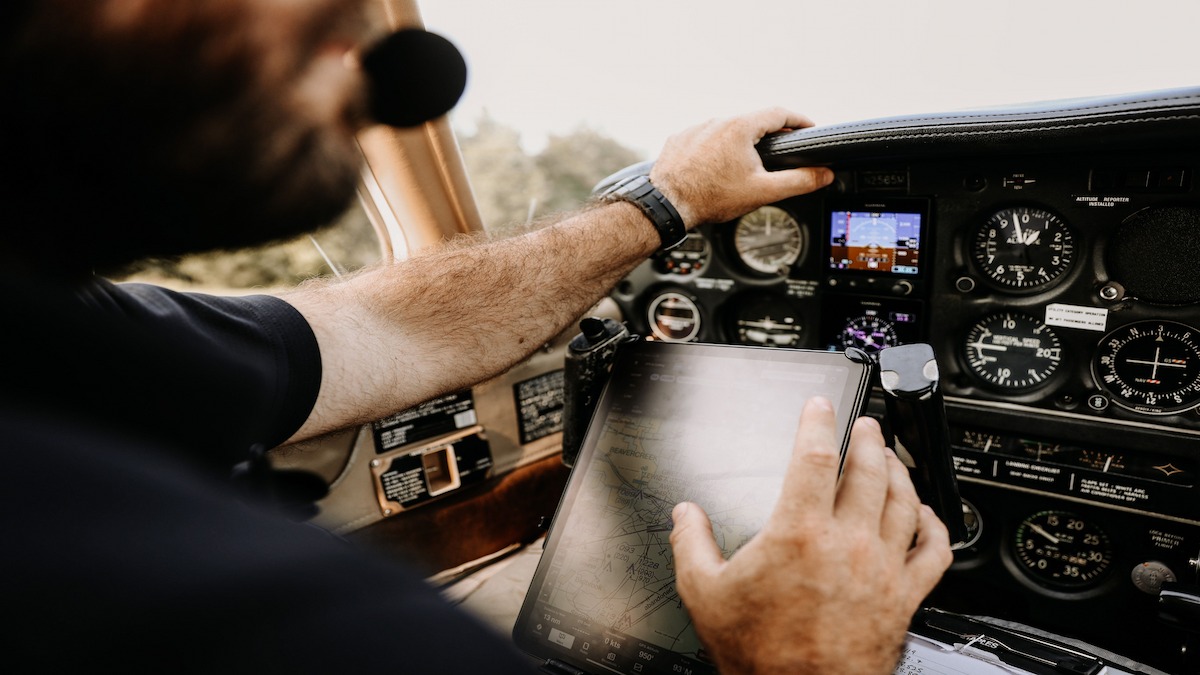
Why switch to a digital logbook?
For decades, pilots have tracked their flight hours in paper logbooks. It works, but it has real limitations: entries get lost, calculations are error-prone, and totalizing hours for a job application or a license checkride can take hours. In 2026, digital logbooks have become the standard for professional and student pilots alike.
Here's why the switch makes sense:
- Automatic totals — your total time, PIC, dual, night, IFR, and cross-country hours update in real time.
- Currency tracking — you always know if you're current for passengers, IFR, or night flight.
- Backup — cloud sync means you'll never lose your flight history to a fire, a flood, or a lost bag.
- Exports — print, PDF, or Excel export for job applications and authority audits.
- Mobile-first — log your flight on the tarmac right after shutdown.
7 features every digital logbook must have
Not all logbook apps are equal. Before committing, make sure the one you pick includes these features:
- Automatic time calculation — enter off-block/on-block times and the app computes total time, PIC, dual, night, IFR automatically.
- Currency tracking — 90-day passenger currency, IFR currency, and night currency, with reminders before expiry.
- Multiple aircraft support — from a Cessna 152 to an A320, with type-specific fields.
- PDF & Excel export — authorities (FAA, EASA, CAA) may request a printed or signed format.
- Cloud backup + offline mode — you log offline, it syncs when you reconnect.
- Custom fields — simulator time, instruction given, glider/tailwheel, etc.
- Analytics — hours per month, per aircraft, per route.
👉 See how AIRVENOR Pilot Logbook handles all of these →
Paper vs digital: honest comparison
| Criteria | Paper | Digital |
|---|---|---|
| Cost | 10–30€ | Free – 30€/year |
| Totals | Manual | Automatic |
| Backup | None | Cloud |
| Currency alerts | No | Yes |
| Legal weight | High (signed) | Varies by authority |
| Search | Manual | Instant |
FAA & EASA compliance
FAA: The FAA accepts digital logbooks as long as they contain the same information required by 14 CFR 61.51. If you fly for a career, keep a signed printed copy or make your digital entries verifiable.
EASA: EASA Part-FCL accepts electronic logbooks if they meet the requirements of AMC1 FCL.050. In practice, most EASA countries accept a well-designed digital logbook, but some national authorities may still require a paper endorsement for certain license applications.
💡 Best practice: keep a printed PDF export updated every 3 months. It costs nothing and protects you if your device dies.
5 mistakes to avoid
- Not backing up — a cloud sync + a monthly PDF export is non-negotiable.
- Wrong time format — always double-check decimal hours vs HH:MM. Use a converter if needed.
- Forgetting endorsements — instructor sign-offs, tailwheel, complex, high-performance.
- Mixing UTC and local time — pick one, stick with it, and note it somewhere.
- Waiting to log — log right after shutdown, not at the end of the month.
How to migrate from paper
Migrating 500+ hours to a digital app sounds painful — it isn't. Here's the fastest path:
- Export each page of your paper logbook as a high-quality photo (use your phone's document scanner).
- Enter only the totals in your digital app for the historical part (total time, PIC, dual, night).
- Start logging from today in full detail.
- Attach the scanned pages as a PDF backup inside the app.
This takes about 90 minutes for a PPL-sized logbook and saves you dozens of hours later.
Frequently asked questions
Is a digital logbook legally accepted?
Yes in most jurisdictions, provided it contains all the required fields (date, aircraft, route, times, conditions, endorsements). Always keep a printed backup.
Can I use my phone only?
Yes. Most pilots use a phone in the cockpit and a tablet or desktop for bulk entries and reporting.
What if I fly multiple types?
Choose an app that supports unlimited aircraft types with custom fields per type.
How much does a digital logbook cost?
From free (basic apps) to ~30€/year for pro features (cloud sync, exports, analytics).
Ready to switch to a digital logbook?
Pilot Logbook by AIRVENOR is free, offline-capable, and compliant with FAA and EASA requirements.
Discover Pilot Logbook →Related articles
Get weekly aviation tips
Join 1,000+ pilots receiving guides, app updates, and exclusive resources.