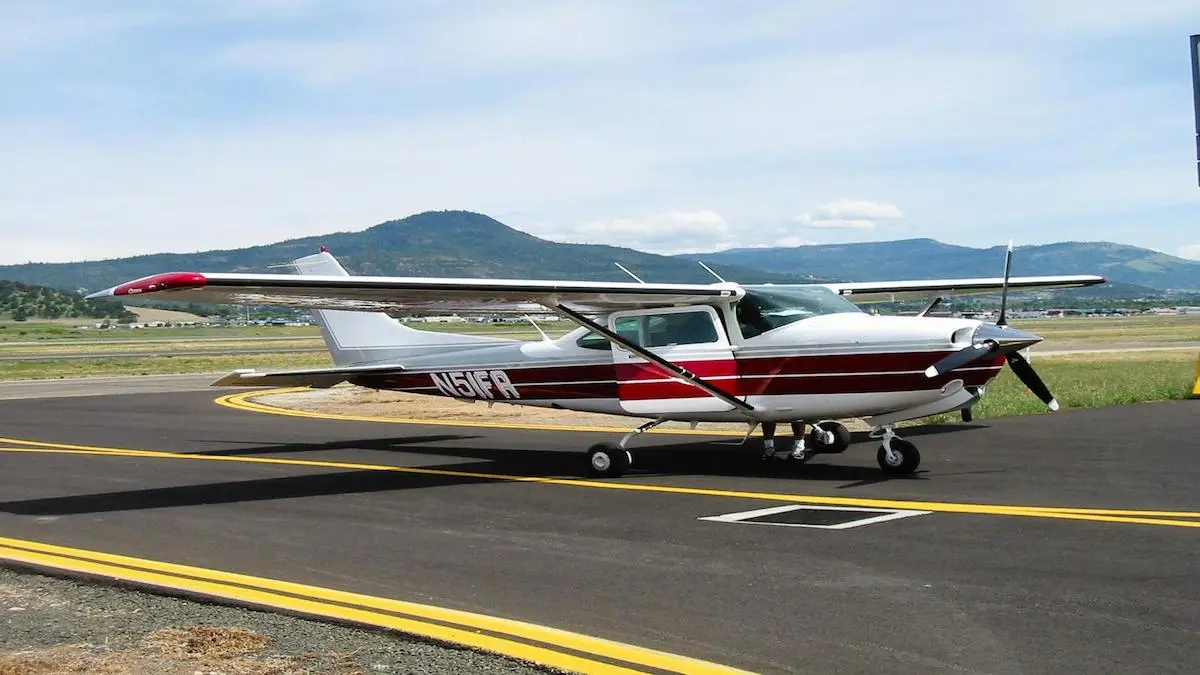
Pilot training is a progression of knowledge, skill, experience and decision-making. Exact licence structures and requirements depend on the aviation authority and training organization.
1. Foundations
Students build knowledge of aerodynamics, meteorology, navigation, aircraft systems, human factors, regulations and radio communication.
2. Initial flight training
The first practical stage develops aircraft control, circuit work, takeoffs, landings, emergency procedures and basic navigation under instructor supervision.
3. Private pilot level
Training generally expands into cross-country operations, weather interpretation, planning, navigation and increasingly independent decision-making.
4. Advanced and commercial training
Professional pathways add more demanding performance, instrument procedures, advanced navigation, commercial standards and experience requirements.
5. Build professional habits
- Keep accurate records.
- Study from current authoritative material.
- Review weather and operational information before flight.
- Ask instructors to explain the reasoning behind procedures.
- Track weak areas instead of studying only what feels easy.
Read the PPL cost guide.