Aviation Knowledge
Aircraft Types Identification
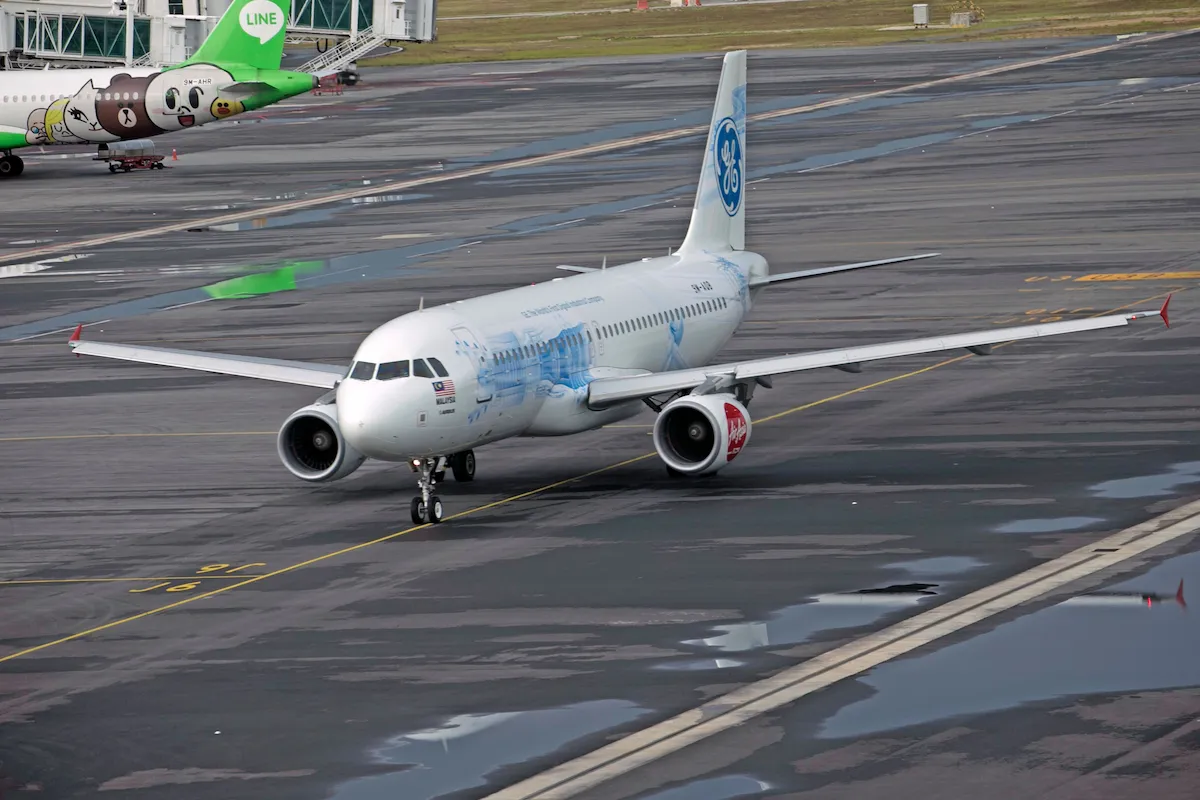
Identifying aircraft types is an essential skill for pilots, controllers, and aviation professionals. It helps with traffic separation, wake turbulence avoidance, and situational awareness. This guide covers the ICAO system based on ICAO Doc 8643 and PANS-ATM (Doc 4444).
ICAO Type Designators
Every aircraft type has a unique ICAO type designator — a 2 to 4 character code used in flight plans and ATC communications. Examples:
| Designator | Aircraft | Category |
|---|---|---|
| C172 | Cessna 172 Skyhawk | Light single-engine |
| PA28 | Piper PA-28 Cherokee | Light single-engine |
| SR22 | Cirrus SR22 | Light single-engine |
| DA42 | Diamond DA42 Twin Star | Light twin-engine |
| B738 | Boeing 737-800 | Narrow-body airliner |
| A320 | Airbus A320 | Narrow-body airliner |
| B77W | Boeing 777-300ER | Wide-body airliner |
| A388 | Airbus A380-800 | Super-jumbo |
| E190 | Embraer E190 | Regional jet |
| LJ45 | Learjet 45 | Business jet |
Wake Turbulence Categories
ICAO classifies aircraft into wake turbulence categories (WTC) based on maximum certified takeoff mass:
| Category | Code | MTOW | Examples |
|---|---|---|---|
| Super Heavy | J | > 560,000 kg | Airbus A380 |
| Heavy | H | > 136,000 kg | Boeing 747, 777, A350 |
| Medium | M | 7,000 – 136,000 kg | Boeing 737, A320, Learjet |
| Light | L | < 7,000 kg | Cessna 172, Piper PA-28 |
Important: Wake turbulence is generated at the wingtips and sinks below the generating aircraft. Light aircraft must maintain extra separation behind heavy or super-heavy aircraft, especially on approach and departure.
Aircraft Classification
Aircraft are also classified by:
- Engine type — piston, turboprop, jet, electric.
- Wing configuration — fixed-wing, rotary-wing, glider.
- Landing gear — tricycle, tailwheel, floats, skis.
- Usage — trainer, transport, aerobatic, agricultural.
- Certification — CS-23 / Part 23 (light), CS-25 / Part 25 (transport).
How to Identify Aircraft
Visual identification relies on key features:
- Wing shape — straight, swept, delta.
- Engine placement — nose, wing-mounted, rear fuselage.
- Tail configuration — conventional, T-tail, V-tail, twin-tail.
- Landing gear — retractable or fixed.
- Size — light, medium, heavy.
- Sound — piston vs turboprop vs jet.
Combined, these features allow rapid identification of most common aircraft types in the air and on the ground.
Frequently asked questions
What is the difference between ICAO and IATA codes?
ICAO codes are 4 characters (e.g., LFPG for Paris CDG). IATA codes are 3 characters (e.g., CDG). ICAO is used in aviation operations; IATA is used commercially.
How does wake turbulence affect separation?
Lighter aircraft must increase separation behind heavier aircraft to avoid wake turbulence. ATC applies specific time or distance minima based on WTC.
Can I identify an aircraft by its sound?
Yes, experienced pilots can distinguish piston, turboprop, and jet engines by sound, and sometimes even specific aircraft types.
Log every aircraft type you fly
Pilot Logbook supports unlimited aircraft types with custom fields for each.
Discover Pilot Logbook →